


Charity Services
We Do It For All People Humanist Services
DISASTER RELIEF
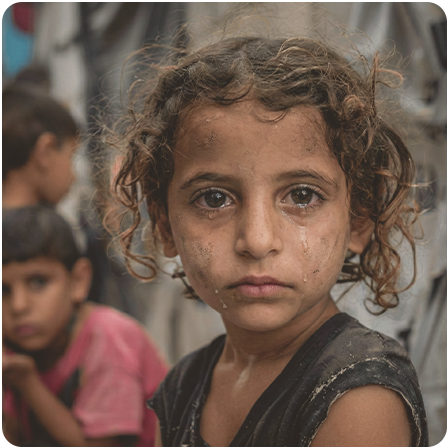
Deliver rapid emergency aid of food and non-food items to affected communities during natural disasters and humanitarian crises.
Learn MoreHEALTH SERVICES
Improve access to general health care for underserved populations through mobile clinics and community health programs.
Learn MoreEDUCATION
Strengthen literacy, supporting underprivileged students with scholarships, school supplies, and educational resources.
Learn MoreCLEAN WATER
Expand access to safe drinking water by installing wells, water purification systems, and sanitation facilities.
Learn MoreSOCIAL WELFARE
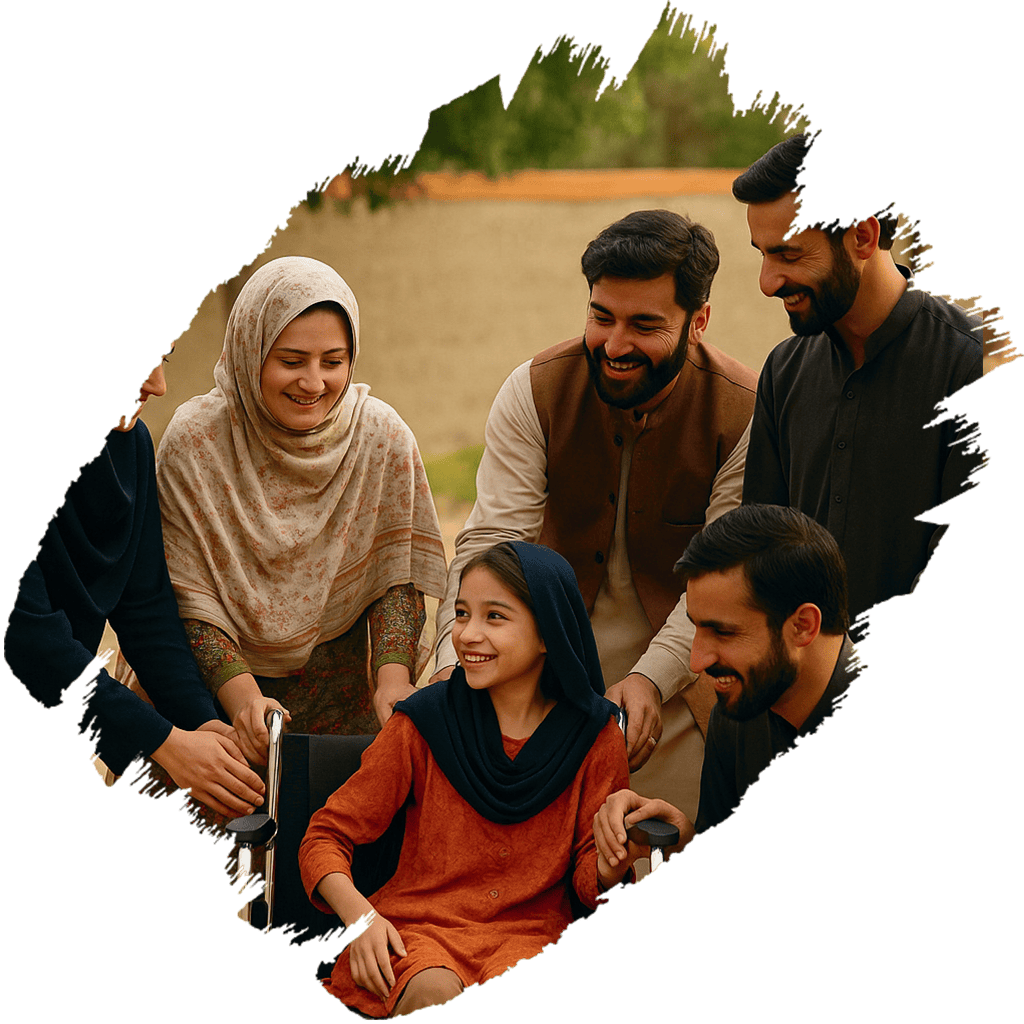
Promote inclusive social welfare initiatives that support vulnerable populations including the elderly and disabled.
Learn MoreSPECIAL EDUCATION
Support Special Education and rehabilitation programs for children and adults with disabilities.
Learn Moreہماری اندرونی اقدار
بلا تفریق انسانیت کی خدمت

Our Core Values
Values That Inspire Our Service to Humanity
COLLABORATION
Belief in building strong partnerships with communities, NGOs, donors, and stakeholders to maximize impact.
VOLUNTEERISM
Valuing the spirit of selfless service and encourage active community participation in development initiatives.
EXCELLENCE
Committed towards continuous improvement, innovation, and delivering programs of the highest quality.
GENDER EQUALITY
Prioritizing women and girls in service delivery.
CORE VALUES
Our Guiding Principles


INTEGRITY
Upholding the highest standards of honesty, transparency and accountability in all our actions and decisions.
COMPASSION
Serving with empathy, kindness, and respect, prioritizing the dignity and needs of the most vulnerable.
INCLUSIVENESS
Working without discrimination of gender, religion, ethnicity, culture, or social status, ensuring equal opportunities for all.
BRIDGING GAPS
Promoting community-driven solutions for immediate and visible relief.

Governance
Our Decision-Making Framework
Our governance structure ensures effective decision-making and accountability at all levels. Through a hierarchical system of oversight and management, we maintain transparency and efficiency in our operations, from strategic planning to project implementation.

Our Organization's Reach
Serving communities across Khyber Pakhtunkhwa

Click to view full Image
Have Any Questions For Us?
Frequently Asked Questions


What is the mission of FSF?
FSF aims to improve lives in marginalized communities through humanitarian assistance, disaster relief, water & sanitation initiatives, educational support, and food provision. Our focus is on sustainable social empowerment and community development.
How can I support FSF?
You can support FSF by donating, volunteering, or partnering with us. Donations help fund our projects in education, disaster relief, WASH programs, and food assistance. You can also participate in FSF events and campaigns or share our initiatives with your network.
Who can volunteer with FSF?
Anyone with a passion for humanitarian work and social development can volunteer with FSF. We welcome individuals, students, professionals, and groups who want to contribute their time and skills to our projects. Flexible schedules are available to accommodate different commitments.
How does FSF ensure transparency and accountability?
FSF maintains transparency by sharing project updates, financial reports, and impact assessments with supporters and the public. All donations are utilized strictly for intended programs, and we follow national NGO regulations and international best practices for accountability.
What kind of disaster relief activities does FSF conduct?
FSF actively responds to natural disasters and emergencies by providing food, shelter, medical aid, and clean water to affected communities. Our teams coordinate logistics, distribute relief packages, and monitor ongoing recovery efforts to ensure aid reaches those in need efficiently.
How does FSF manage water, sanitation, and hygiene (WASH) programs?
FSF implements WASH programs by constructing and maintaining safe water sources, promoting sanitation practices, and providing hygiene education. These initiatives reduce waterborne diseases and improve overall health in underserved communities.